
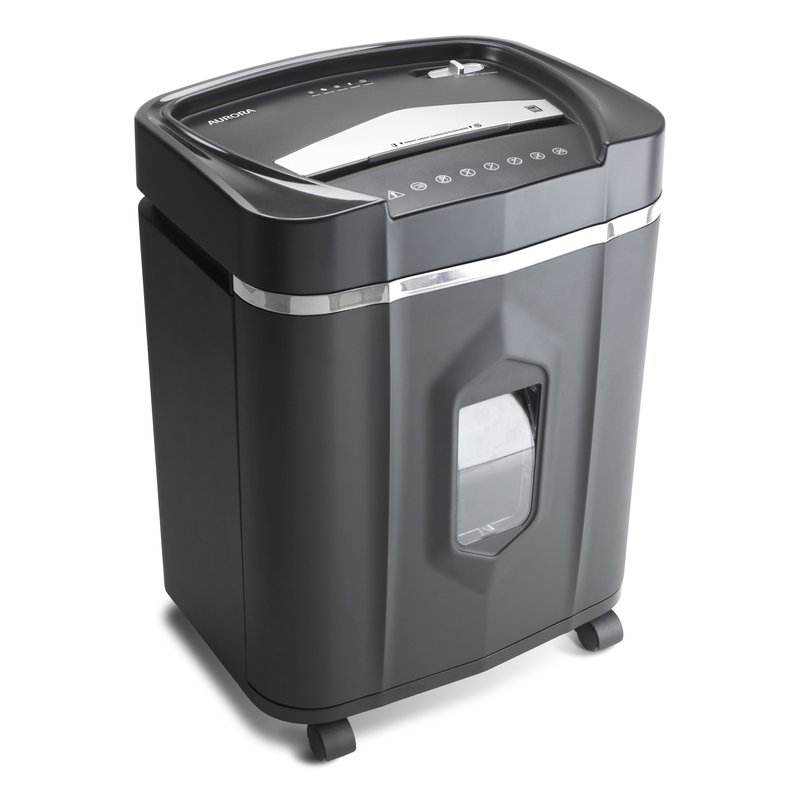
Most households that still receive paper statements, bills or credit offers benefit from a home shredder. The FTC tells consumers to shred documents with personal or financial information before throwing them away, and USA.gov lists going through trash for bank statements and tax documents as one way scammers get personal details. A shredder turns that advice into a habit you can keep in a minute or two a week.
You can skip it if almost everything you receive is already paperless, or if you only produce a box or two of sensitive paper a year. In that case the FTC’s own alternatives, a local shred day or blacking out account numbers with a marker, cost less. The deciding question is how much paper with your name and account numbers leaves your home each month.
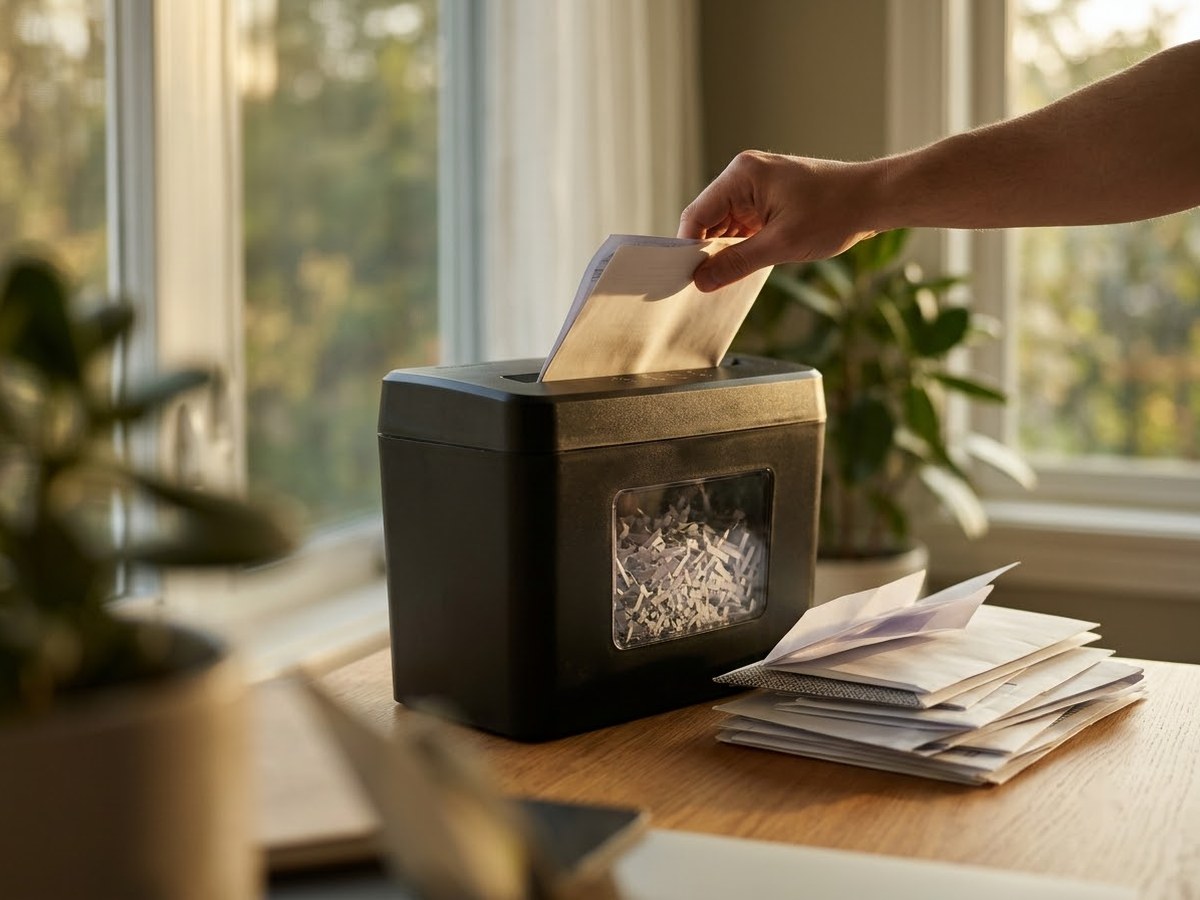
What identity thieves look for in household paper
The FTC says identity thieves may try to steal your name and address, credit card or bank account numbers, Social Security number and medical insurance account numbers. Much of that is printed on ordinary household mail: statements, bills, pre-approved credit offers and insurance paperwork.
Paper is one route among many. The FTC’s Consumer Sentinel Network received 1,135,291 identity theft reports in 2024, with credit card fraud the most reported type. USA.gov lists phishing and stolen wallets alongside trash as ways scammers get personal information, and it specifically names going through your trash for bank statements or tax documents, and the U.S. Postal Inspection Service reports almost 9,300 arrests for mail and package theft from 2019 to 2024.
What the FTC says to shred
- ATM receipts and offers of credit or insurance.
- Cleared checks after 14 days, and credit reports.
- Prescription information for medicines you no longer take.
- Expired warranties, expired credit cards, driver’s licenses and other IDs.
- Paper bank statements, pay stubs and bills after about a year, if you can get them electronically.
The FTC’s medical identity theft guide adds insurance forms, prescriptions, bills and Explanation of Benefits statements to the list.
Who benefits most from a home shredder
A shredder earns its place when sensitive paper arrives steadily. These are the households where it is most useful:
- You still get paper statements and bills. Even a few a month add up, and the FTC suggests shredding paper copies once you have electronic records.
- You get frequent credit card or insurance offers. The FTC lists offers of credit or insurance among documents to shred.
- You run a business or freelance from home. The FTC’s guide for businesses tells them to shred, burn or pulverize paper records before discarding them, and to keep shredders where documents are handled.
- You manage paperwork for a parent or relative. Medical bills and benefit statements are exactly what the FTC’s medical identity theft guidance says to shred.
For busy home offices · Mid-range price range
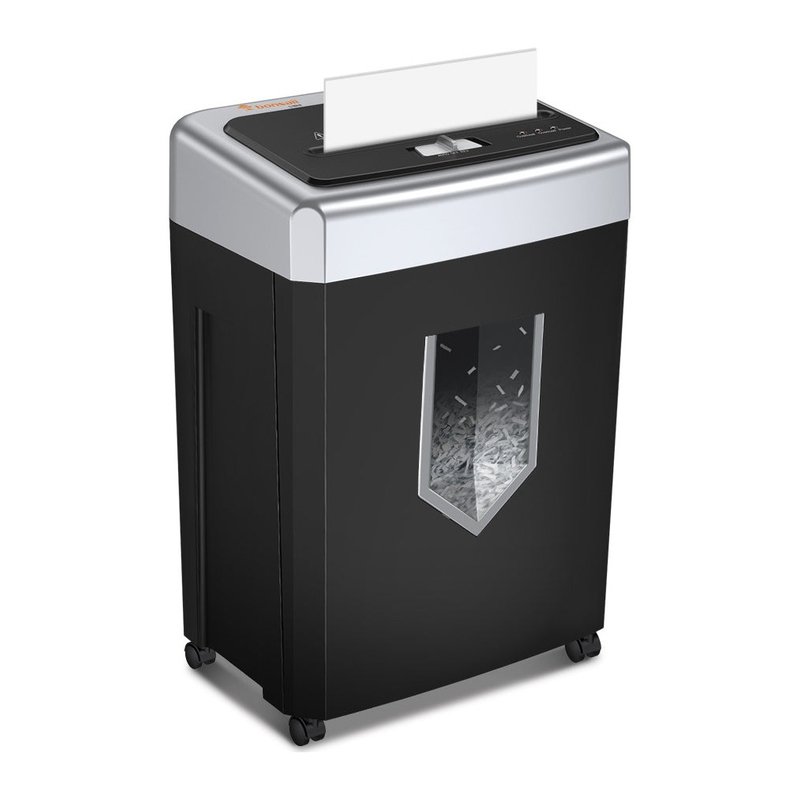
Bonsaii EverShred C169-B
Bonsaii rates it for 15 sheets at a time and 40 minutes of running, with a 5-gallon pull-out bin. Cross-cut, P-4 by the brand’s rating, and it takes CDs and cards.
View product details ›Who can skip it
A shredder is not essential for everyone. You can reasonably skip one if:
- Almost all your statements and bills are paperless, and you rarely get credit offers.
- Your sensitive paper is a once-a-year job: a free community shred day may be enough; AARP Delaware’s event and a BBB event both capped it at three boxes.
- You have nowhere safe to put it. The CPSC reports finger injuries from shredders, typically to children under 5, and advises keeping shredders out of children’s reach and unplugged when not in use.
For an occasional envelope, the FTC also suggests blacking out account numbers with a marker before throwing the paper away.
Home shredder or the alternatives?
Here is how the main options compare for an ordinary household.
| Option | Best for | Trade-off |
|---|---|---|
| Home shredder | Weekly mail and regular clear-outs | Up-front cost, space, oiling and emptying |
| Free shred day | A few boxes once or twice a year | Limited dates; often about three boxes per car |
| Pay-per-pound drop-off | A one-off backlog | One UPS Store location lists $1.50 for the first pound, then $1 a pound; prices vary by store |
| Marker and trash | A single envelope | Easy to miss details; not practical for statements |
If you shred a little and often, a home shredder is the most convenient option. If you shred rarely but in bulk, a service is usually cheaper. Many households end up using both: a small shredder for weekly mail and a shred day for the annual box of old records.
What kind of shredder a typical home needs
Once you decide to buy, three choices matter most:
- Cut type and security level. Strip-cut makes long ribbons and is the least secure. Cross-cut and micro-cut cut across the strips too. For household paper, P-4 under the DIN 66399 standard is a sensible target; shredder maker HSM describes P-4 as suited to particularly sensitive data such as salary statements.
- Sheets per pass. Fellowes’ buying guide puts home shredders at 5 to 12 sheets at a time and home-office models at 10 to 18.
- Run time. Small home models may run only 3 to 5 minutes before a 30-minute or longer rest. If you clear boxes of paper, look for 20 minutes or more.
Small and inexpensive · Budget price range
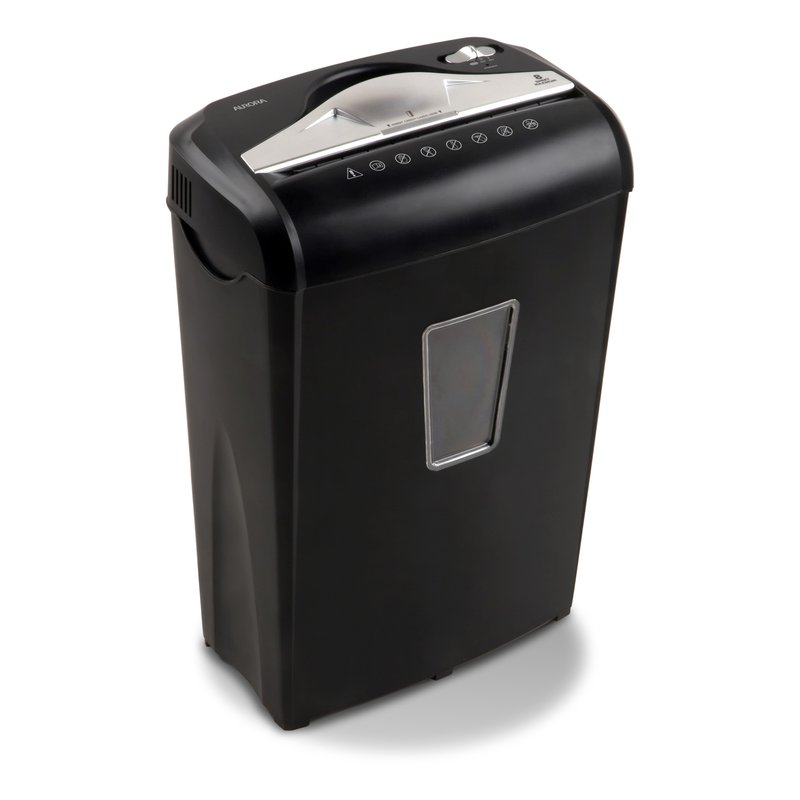
Aurora AU870MA 8-Sheet Micro-Cut
A P-4 micro-cut machine at a Budget-tier price, about 7 inches deep. It runs about five minutes at a time, so it suits weekly mail rather than big clear-outs.
See today’s price ›Honest note
A shredder is not a complete identity-theft defence. A shredder does nothing about phishing or mail stolen from your mailbox, which USA.gov and the Postal Inspection Service also warn about. The FTC also advises collecting mail promptly and storing documents you keep somewhere safe. Think of a shredder as one sensible habit, not a guarantee.
Questions people ask
Is it safe to throw away bank statements without shredding?
The FTC advises shredding documents with personal or financial information before you throw them away, and its 2025 guidance suggests shredding paper bank statements after about a year if you can get them electronically. USA.gov names trash as one place scammers look for bank statements.
What should I do with documents if I don’t own a shredder?
The FTC suggests looking for a local shred day or blacking out account numbers with a marker. Community events run by groups such as AARP and the BBB are often free but limit you to about three boxes. Pay-per-pound drop-off is another option.
Does shredding really prevent identity theft?
It reduces one risk, not all of them. Shredding makes household paper hard to reuse, which is why the FTC recommends it. It does not protect against phishing, data breaches or stolen mail, so combine it with collecting mail promptly and storing kept documents safely.
Is a cheap shredder good enough for home use?
For a few envelopes a week, usually yes, as long as it is rated P-3 or P-4. Expect short run times and small bins, so budget machines suit light, regular use better than big clear-outs.
Is a shredder safe in a home with small children?
It needs care. The CPSC reports finger injuries from shredders, typically to children under 5, sometimes with an adult present. It advises never letting children use one, keeping it out of reach, and unplugging it when not in use.
Read first: best paper shredder for home use · best cheap shredders
Sources: FTC: Which documents to keep and which to shred · FTC: What to know about identity theft · FTC: Consumer Sentinel Network Data Book 2024 · USA.gov: Identity theft · U.S. Postal Inspection Service: Mail theft · CPSC: Paper shredder safety alert
Specs are the brands’ own. Unplug a shredder before you clear a jam or oil it, follow its manual, and keep it away from children and pets.